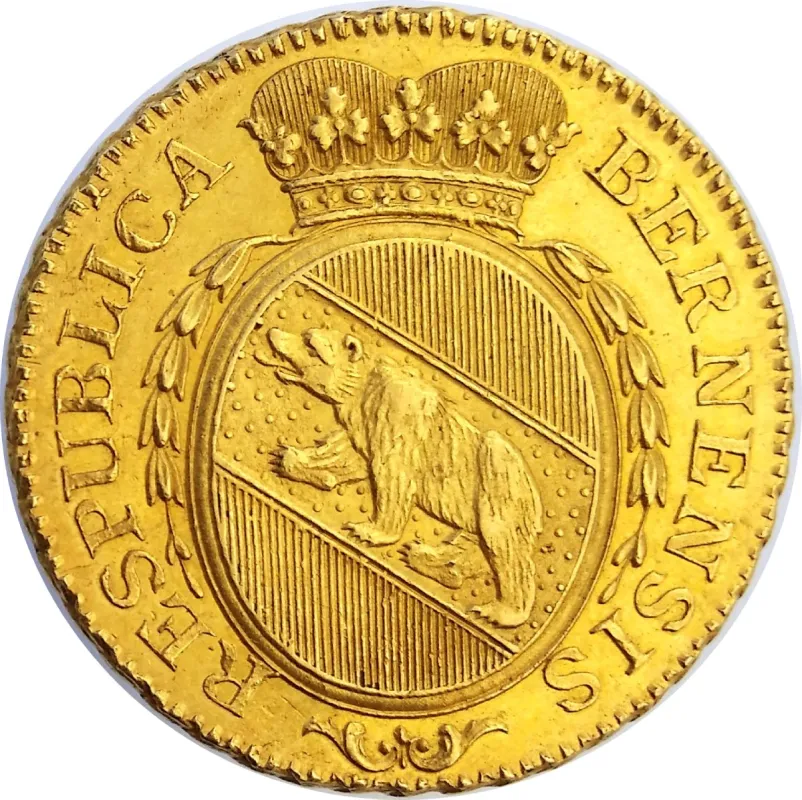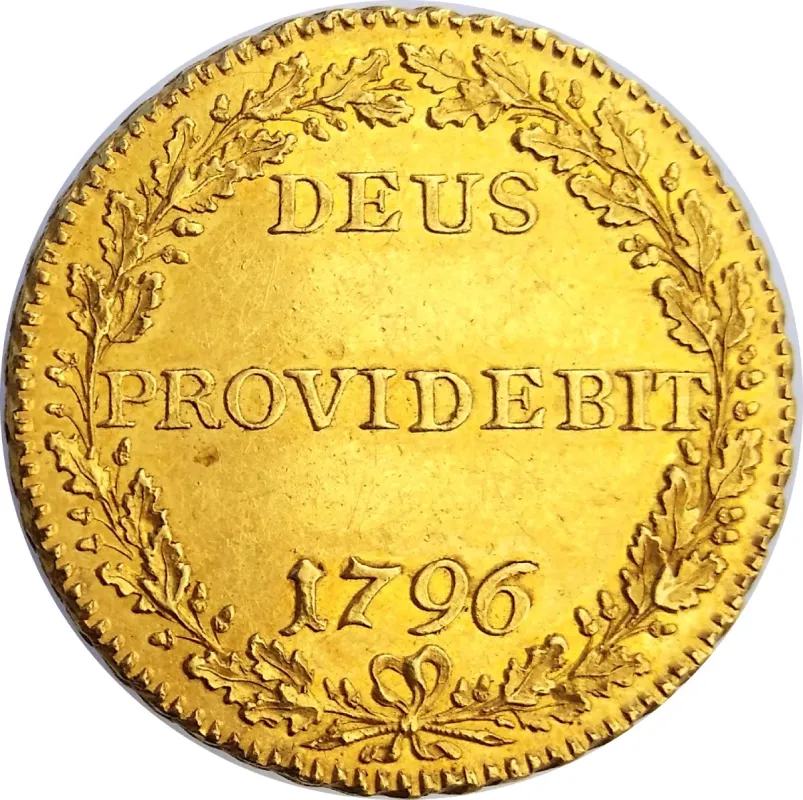
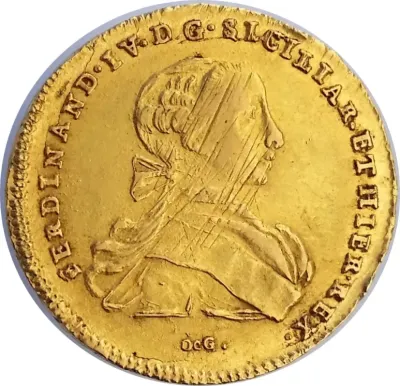
Gold Coins Used in Jewelry: What Collectors Should Know
Throughout history, gold coins were not only used as money but also as jewelry. Many people wore gold coins as pendants, mounted them in rings, or set them into brooches and other decorative pieces.
Because of this practice, collectors today often encounter coins that show traces of jewelry use. For beginners, this can be confusing: does such a coin lose its value completely, or can it still be collectible?
Understanding how jewelry use affects a coin helps collectors make better decisions when choosing numismatic gold coins.
👉 You can explore examples of historical pieces in our numismatic gold coins selection: numismatic gold coins selection.
Why Gold Coins Were Used in Jewelry
Gold coins were widely used in jewelry for several reasons.
First, gold coins already contained precious metal and had an attractive design. Portraits of rulers, coats of arms, and detailed engravings made them visually appealing.
Second, coins were easily available and recognizable. In many cultures, wearing a gold coin was both a decorative and symbolic act, representing wealth, tradition, or family heritage.
In some regions, gold coins were even given as gifts during weddings or important celebrations.
👉 All coins offered in our numismatic gold coins selection are carefully checked before being listed.
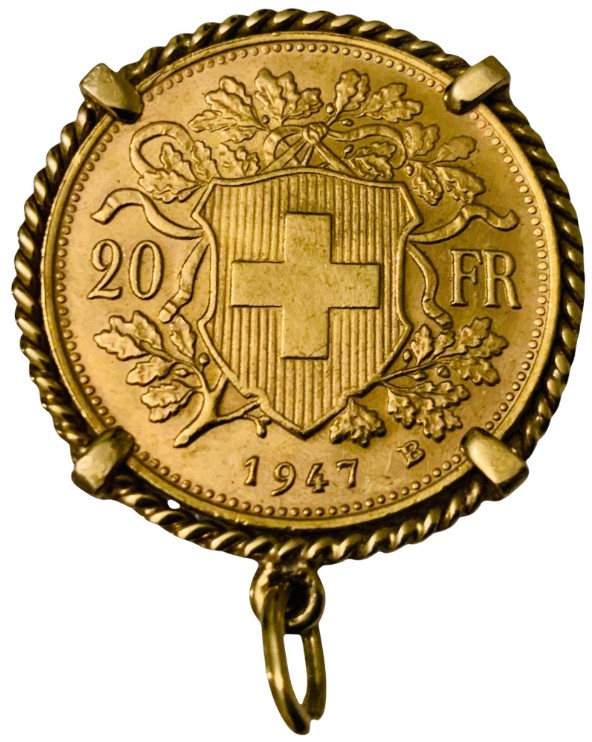
How to Recognize Jewelry Use
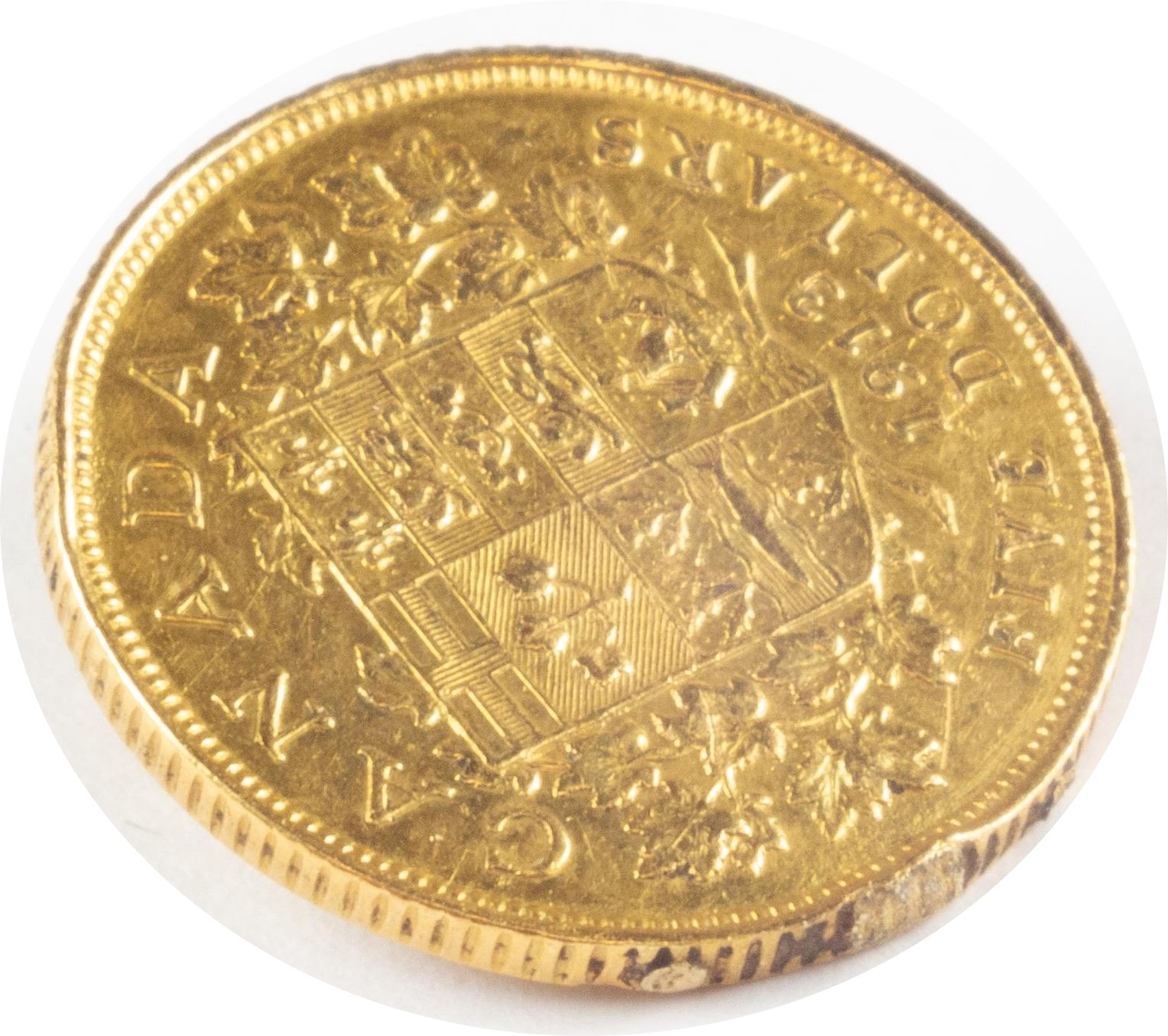
Coins that were used in jewelry often show specific signs.
Common indicators include:
small solder marks
traces of a removed loop
scratches from a former mount
filed or polished edges
Sometimes the modifications are obvious, while in other cases they are subtle and require closer inspection.
Collectors and dealers usually examine the edge and surface of the coin carefully to identify such details.
Does Jewelry Use Always Reduce Value?
In many cases, jewelry use does reduce the numismatic value of a coin. Collectors generally prefer coins that remain in their original, unaltered condition.
However, the situation is not always the same for every coin.
If a coin is very rare or historically significant, even an example that was once mounted may still attract interest from collectors.
In contrast, for very common coins, traces of jewelry can significantly lower the price.
When Such Coins Can Still Be Interesting
Coins with jewelry traces may still be interesting in several situations:
when the coin is rare
when the damage is minimal
when the historical significance is strong
when the coin remains visually attractive
Some collectors even appreciate the “life story” of such coins, as it reflects how gold coins circulated not only as money but also as personal objects.
Examples of historical coins from different regions can be found among European historical gold coins.
Advice for Collectors
For collectors and investors, the most important principle is balance. It is useful to understand the difference between minor traces of jewelry use and heavy modifications that significantly affect the coin.
When possible, beginners should start with coins that remain in original condition. At the same time, it is important not to dismiss every coin with small traces of mounting without proper evaluation.
Over time, experience helps collectors recognize which pieces remain interesting and which are better avoided.
For more insights and practical collecting advice, you can also visit our numismatic blog.
Final Thoughts
Gold coins have played many roles throughout history: they served as money, stores of wealth, gifts, and even jewelry.
Today, these traces of the past sometimes appear on the coins themselves. Understanding how jewelry use affects a coin allows collectors to appreciate these objects more fully and make informed decisions when building their collections.
👉 You can browse currently available pieces in our numismatic gold coins selection, or continue learning through our numismatic blog.